Rapid Semi Truck Maintenance: Get Back on the Road Speedily
To maintain smooth operations, efficient heavy-duty truck repair is vital. Financial losses from downtime can be significant, disrupting find out more delivery schedules and lowering customer satisfaction. Engine failures and transmission problems are common issues that might arise suddenly. Standardized procedures combined with technician training investments can address these challenges. Nevertheless, understanding the subtleties in selecting the appropriate repair service and employing technology for efficiency can greatly aid in keeping fleets active.
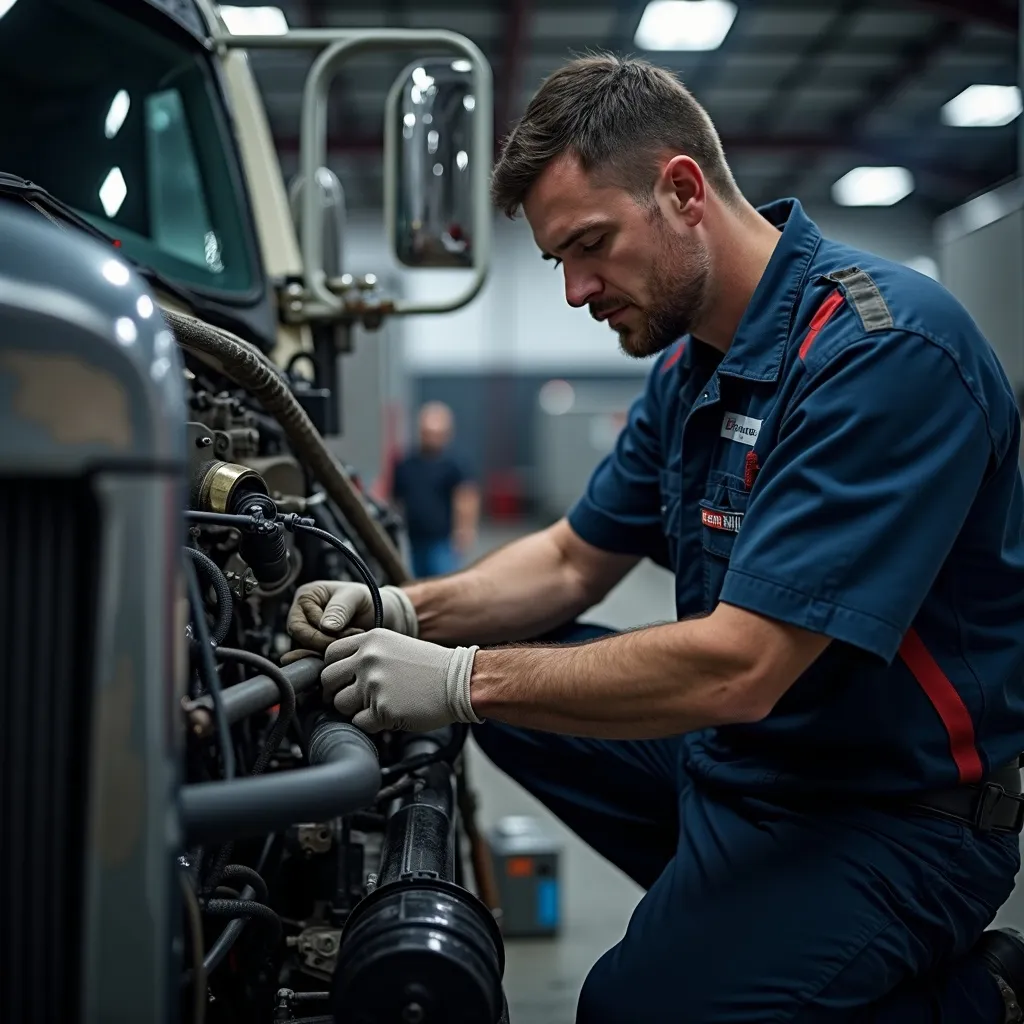
Typical Issues That Produce Downtime
Downtime in semi trucks often originates from several typical problems that can hinder operations. One prevalent cause is engine failure, which can develop from inadequate maintenance or oil issues. Gearbox issues also regularly occur, leading to shifts that are jerky or slow, and in severe cases, complete breakdowns. Additionally, tire wear and failure can originate from incorrect pressure or misalignment, creating safety risks and operational delays. Electrical component failures, including battery malfunction or defective wiring, can strand drivers immobilized. Brake component problems, such as degraded pads or fluid loss, are essential to fix promptly due to their impact on security and adherence. Furthermore, fuel system issues, such as blocked filters or injector malfunctions, can hinder performance. Each of these issues can greatly affect a truck fleet's efficiency, leading to lost time and increased costs if not resolved swiftly and successfully.
Why Prompt Repairs Are Crucial for Your Bottom Line
Timely repairs are essential for maintaining a trucking operation's profitability. When a semi truck is out of commission, income diminishes with each hour it remains idle. Quick fixes minimize downtime, enabling drivers to get back to their routes and fulfill delivery schedules. This efficiency not only maintains the trust of clients but also enhances the company's standing in a competitive market.
Additionally, quick repairs can avert more substantial, expensive issues from materializing. Handling minor problems quickly helps maintain the overall condition of the fleet, reducing extended upkeep expenses. Fleet operators who focus on speedy maintenance often discover that their running costs drop, resulting in enhanced profit margins.
Finally, immediate fixes are not simply a convenience; they are a strategic necessity. By ensuring that vehicles stay roadworthy without preventable stoppages, trucking companies can sustain their bottom line and remain competitive in an industry where time is money.
Best Methods for Enhancing Your Truck Maintenance Procedure
Streamlining the truck repair process requires a strategic approach that emphasizes structure and efficiency. One sound strategy is to set up a comprehensive parts tracking system. By sustaining an accurate inventory of parts and tools, repair shops can lower wait times for necessary components. Another key approach is putting into place repair procedures. Instituting clear protocols for routine maintenance can improve workflow and reduce the risk of errors.
Furthermore, providing education for technicians ensures they have proficiency in the latest repair methods and tools, resulting in quicker turnaround times. Employing diagnostic tools can also speed up the troubleshooting process by locating issues more accurately. Finally, strong communication between drivers and repair teams is vital; real-time updates about vehicle status can help organize maintenance work based on urgency. By combining these approaches, truck repair processes can become more optimized, ultimately generating reduced downtime and increased operational efficiency.
How to Choose the Top Maintenance Provider for Your Trucks
How can fleet managers ensure they select the most reliable repair service for their trucks? First, they should evaluate the service provider's standing by seeking feedback and recommendations from other fleet operators. A strong history in timely repairs and client contentment is vital. Subsequently, consider the credentials of the technicians. Certified mechanics with specific training in semi truck repairs guarantee high-quality service.
Additionally, review the breadth of options rendered. A thorough repair shop can address various troubles, from basic upkeep to intricate repairs, cutting down on downtime. It's also vital to ask about warranties covering parts and labor, which can show the shop's dedication to quality.
Ultimately, assess the location and availability of the service. A neighboring shop that provides 24/7 service can markedly lower wait times and keep trucks on the road. By implementing these guidelines, fleet managers can make educated decisions that strengthen operational efficiency.
Preventive Maintenance Tips to Lower Breakdowns
Proactive maintenance is crucial for reducing breakdowns in semi trucks and ensuring fleet reliability. Regular checks should be planned to examine vital components such as brakes, tires, and fluid levels. Keeping an eye on tire pressure and tread wear can avoid tire failures and enhance fuel efficiency.
Furthermore, routine oil changes and filter replacements are essential for engine performance. Maintaining a clean air filter promotes ideal airflow, enhancing fuel economy.
Drivers should also be trained to performing pre-trip inspections, checking for any irregularities that might lead to issues on the road. Adhering to manufacturer-suggested maintenance schedules aids in detecting possible issues before they get worse.
Ultimately, logging all maintenance work establishes a dependable record that assists in anticipating future demands and detecting patterns. By adopting these preventative measures, fleet operators can substantially lower the chance of unexpected breakdowns, making sure that trucks continue running and performing well.
Utilize Modern Systems to Increase Repair Efficiency
Implementing technology can markedly enhance the performance of semi truck work. Professional testing equipment facilitate mechanics to swiftly identify issues, lowering the time devoted to troubleshooting. Digital platforms can optimize stock handling, ensuring that necessary parts are readily accessible, thereby minimizing delays.
Telematics systems transmit continuous information on vehicle performance, enabling forward-thinking upkeep and speedy repairs. By processing this data, fleet coordinators can prioritize repairs based on importance and operational disruption.
Moreover, fleet service units equipped with technology facilitate direct repairs, cutting downtime caused by transporting trucks to repair shops. Virtual reality and AR technology can also facilitate training mechanics, developing their skills without risking costly errors.
Frequently Requested Questions
How Frequently Should I Plan Maintenance for My Semi Truck?
A semi truck is due for preventative servicing every 10,000 to 15,000 miles, or every six months, whichever comes first. Constant monitoring of core systems guarantee peak efficiency and protection for long-distance operations.
Which Instruments Do You Require for Essential Truck Service?
Basic implements needed for standard truck upkeep comprise a socket set, wrenches, pliers, screwdrivers, tire pressure gauge, hammer, and a jack. Also, having access to a multimeter and basic diagnostic tools can greatly aid in diagnosing problems.
How do I discover a mobile repair service?
To find a mobile repair service, one can access online directories, peruse client testimonials, and get recommendations from fellow truck drivers. Additionally, local trucking associations may share reliable service contacts in the area.
Which Coverages Are Commonly Provided for Truck Repairs?
Generally, warranties on truck repairs range from 30 days to one year, covering parts and labor. Certain companies may provide lengthened guarantees, guaranteeing long-term dependability and customer contentment, based on the specific maintenance work and service provider.
How Can I Handle Repair Costs With My Coverage?
To address damage expenses with coverage, one should review the policy for specific coverage details, notify the insurer promptly about the claim request, and keep comprehensive documentation of expenses and communications for a smoother claims process.